Anxiety Symptoms

Philip Wells • October 28, 2024

What Are Anxiety Symptoms? Understanding How You Feel

Anxiety is a feeling that many people have. It can make you feel worried, scared, or nervous. Sometimes, it’s normal to feel anxious, like before a test or speaking in front of a group. But if you feel anxious a lot, it can be hard to deal with. Let’s talk about some common anxiety symptoms and how you can understand them better.

What Is Anxiety?

Anxiety is when you feel really worried or scared, even when there’s no real danger. It’s like your body is telling you to be on alert, but there’s nothing to run from. Anxiety can affect both your body and your mind.

Common Symptoms of Anxiety

Here are some common anxiety symptoms that people might feel:

Feeling nervous: You might feel shaky, like something bad is about to happen.

Fast heartbeat: Your heart can beat really fast when you're anxious.

Sweating: You might start sweating, even if you’re not hot.

Breathing quickly: It can feel hard to catch your breath.

Tummy troubles: Anxiety can cause stomachaches or make you feel like you need to use the bathroom more.

Dizzy or lightheaded: Some people feel like they might faint or are not steady.

Hard to focus: It might be hard to think clearly or pay attention when you're anxious.

What Does Anxiety Feel Like?

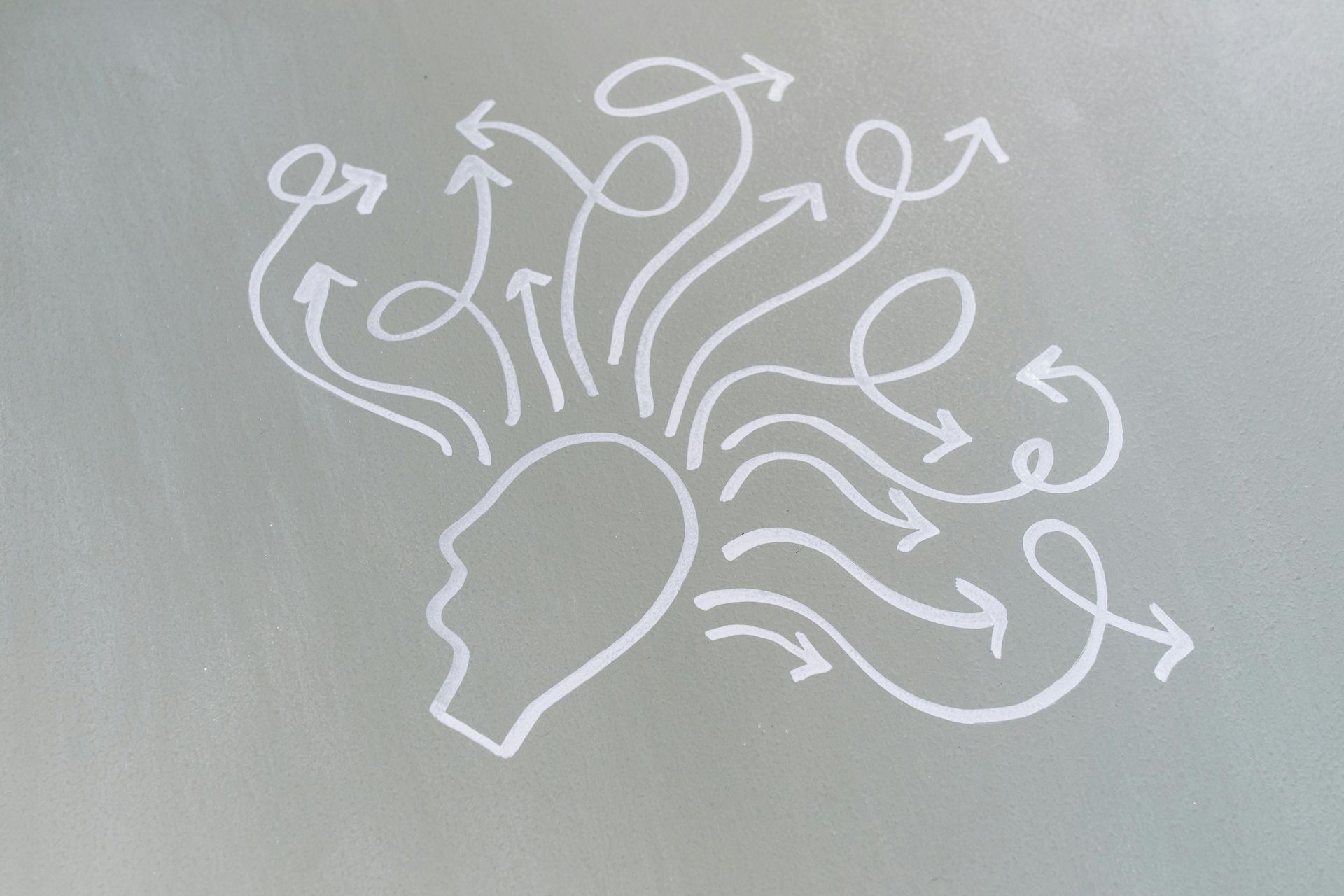
People with anxiety often feel like they can’t stop worrying, even if there’s nothing to worry about. You might feel scared, like something bad is going to happen, but you’re not sure why. Some people say it feels like their mind is always racing or like they’re in danger, even when they know everything is okay.

How to Deal with Anxiety

If you feel anxiety symptoms, here are a few things you can try to help calm down:

Take deep breaths: Breathe in slowly and count to four, then breathe out and count to four again. This can help slow your heart rate and calm your body.

Think about what’s real: Remind yourself that you are safe and there’s no real danger around you.

Talk to someone: Sometimes, telling a friend or a parent how you’re feeling can help.

Focus on one thing at a time: If your mind is racing, try to do just one thing, like coloring, reading, or taking a walk.

When to Get Help

If you feel anxious a lot, or if your anxiety symptoms make it hard to do things you enjoy, it’s okay to ask for help. A doctor or a therapist can help you learn ways to feel better. You don’t have to handle anxiety all by yourself!

Anxiety is something many people experience, but you can learn to manage it. By understanding the symptoms of anxiety and using simple tools like deep breathing and talking to someone, you can start feeling better. If you need more help, remember it’s okay to ask!

By Philip Wells January 29, 2026
How to Build Confidence (Even When You Don’t Feel Ready)
By Philip Wells January 27, 2026
Anxiety Symptoms: What They Really Mean (And Why You're Not Crazy)
By Philip Wells January 19, 2026
How to Fix Anxiety: Simple Steps That Actually Help
By Philip Wells January 16, 2026
What To Say To Calm Someone With Anxiety
By Philip Wells January 14, 2026
What Is The Most Severe Mental Illness?
By Philip Wells January 12, 2026
What Are The 4 Types Of Mental Health?
By Philip Wells January 10, 2026
What Are The Symptoms Of Depression
By Philip Wells January 8, 2026
A panic attack can feel like your world is collapsing in real time. Your heart starts racing. Your chest feels tight. Your hands shake. Your mind screams, “Something is wrong!” And even if you’ve had one before, it can still feel terrifying. Many professionals and entrepreneurs experience panic attacks silently — often while still “functioning” on the outside. Inside, though, it feels like a storm. The good news? Panic attacks can be managed, and they always peak and pass — even when they feel endless. Let’s walk through simple steps that actually help. First — What Is a Panic Attack? A panic attack happens when your body’s alarm system fires at full blast, even though there’s no real danger. It’s your nervous system saying: “We’re not safe!” …even when you are. Common symptoms include: Rapid heartbeat Shortness of breath Chest tightness Sweating or shaking Dizzy or lightheaded Feeling out of control Fear of fainting or dying A sense of “doom” you can’t explain It feels medical — but it’s your brain and body in overdrive. And it will pass. Step 1: Tell Yourself the Truth The fastest way to calm panic is to remind your brain: “This is a panic attack. It will pass.” Say it out loud or in your head. You’re not dying. You’re not losing your mind. Your body is just stuck in “emergency mode.” Naming it helps your brain settle. Step 2: Slow the Breathing (Not Too Fast) When panic hits, we often breathe too quickly — which makes symptoms worse. Try this simple pattern: Inhale for 4… hold for 2… exhale for 6. Repeat slowly. Focus especially on longer exhales — that signals safety to your nervous system. Think: “Exhale the fear out.” Keep going for 60–90 seconds. Step 3: Ground Yourself in the Present Panic lives in “what if.” Grounding brings you back to right now. Try the 5–4–3–2–1 technique: 5️⃣ things you can see 4️⃣ things you can feel 3️⃣ things you can hear 2️⃣ things you can smell 1️⃣ thing you can taste Say each one slowly. Your brain shifts from fear → observation. And the panic begins to fade. Step 4: Relax Your Body (One Area at a Time) Tension fuels panic. Pick one muscle group at a time: Tighten your shoulders… Hold for 3 seconds… Release. Then your jaw. Then your hands. Then your stomach. You’re showing your body: “We’re safe. You can let go.” Step 5: Change Your Environment (If You Can) Sometimes a small shift helps your brain reset: Step outside Sit somewhere quieter Open a window Take a short walk Splash cool water on your face Movement + fresh air = calm signals. Step 6: Talk Back to the Panic Panic loves dramatic thoughts like: “I can’t handle this!” “Something terrible is happening!” Answer back with facts: ✔️ “This is uncomfortable, but I’m safe.” ✔️ “My body is reacting — it will pass.” ✔️ “I’ve gotten through this before.” You’re taking your power back. Step 7: Let It Rise — Then Let It Fall It sounds strange, but fighting panic often makes it worse. Instead, try: “Okay panic, do what you do. I’m going to breathe.” When you stop resisting, your body stops pushing back so hard. And the wave passes faster. After the Panic Attack: Take Care of Yourself Once it eases, give yourself time: Drink water Eat something light Take a slow walk Rest your mind for a bit And reflect gently: 👉 What was happening before it started? 👉 Was I overloaded, stressed, or pushing too hard? Panic attacks are often signals — not punishments. Important: Panic Attacks Don’t Define You You are not weak. You are not broken. You’re human — with a nervous system that sometimes works too hard. With the right tools, panic becomes less scary — and less frequent. Ask Yourself… What would change if panic didn’t control your day? How much calmer would life feel with real strategies? How would your work, relationships, and health improve? Sit with those for a moment. Because peace matters more than nonstop pressure. You Don’t Have to Handle Panic Alone If panic attacks are showing up more often — that’s your sign to get support, not to hide. And I’d love to help you build skills that work in real life. 👉 Click the link below and reach out to me. We’ll slow things down, identify triggers, and build tools that help you breathe easier — even on tough days. You deserve calm. You deserve clarity. You deserve a life that doesn’t feel like a constant emergency.
By Philip Wells January 8, 2026
What Is the Definition of Mental Health?
By Philip Wells January 6, 2026
The 3-3-3 Rule: A Simple Mental Health Tool for High-Achievers